
Guides
Buying coffee beans: a practical guide
There are hundreds of coffees on the shelf and online. Which one is right for you? A handful of criteria – freshness, origin, variety, roast, grind and bag size – help you find beans that suit your brew method and how much you drink.
Freshness: roast date over best-before
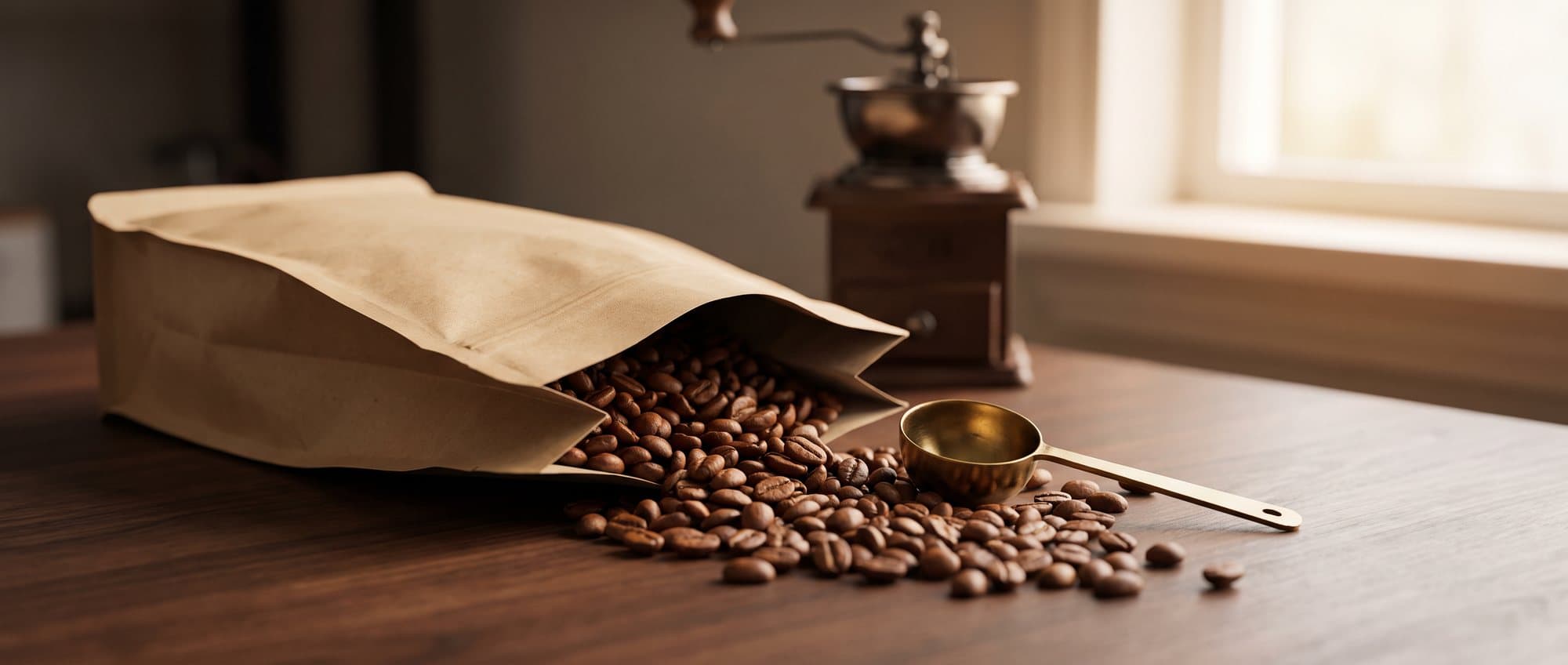
Coffee doesn’t spoil quickly, but it does lose aroma. Roasted beans taste best in the first weeks after roasting and then slowly go flat. The best-before date says little about this – it’s often a year or more after roasting.
So buy an amount you’ll finish within a few weeks, in packaging that reseals well. An aroma valve and a resealable bag help keep beans fresh once opened.
Origin and variety
Most supermarket coffees are blends from several countries, which gives a consistent taste. A single origin comes from one country only and shows its typical character – with Ethiopian coffee, often fruity and floral notes.
For variety, the main distinction is arabica versus robusta. Arabica is considered more aromatic and refined, with less bitterness and less caffeine. Robusta is stronger and more bitter and is often added to espresso blends. The bag usually says whether a coffee is 100% arabica.
Match the roast to your brew method
Roast level shapes the flavour – and which brew method the coffee suits.
| Roast | Flavour | Best for |
|---|---|---|
| Light | fruity, bright acidity, light body | filter, pour over |
| Medium | balanced, sweet, medium body | almost everything: espresso, filter, French press, moka pot |
| Dark | bold, roasty, low acidity, sometimes bitter | milk-based espresso, moka pot |
If you use several methods – filter in the morning, espresso in the afternoon – a medium roast is the best all-rounder.
Whole bean or ground?
Whole beans keep their aroma much longer: grinding increases the surface area, so aromas escape faster. With a grinder you can grind just before brewing and match the grind to each method.
Pre-ground coffee is convenient if you don’t have a grinder, but it’s fixed to one grind – usually medium, suited to filter. That is often too coarse for espresso and too fine for a French press. Once opened, use ground coffee within two to three weeks.
Choosing the right bag size
Larger bags are usually cheaper per 100 g but stay open longer. Allow about 7.5 g of coffee per cup and pick a size you’ll finish within about a month of opening.
| Consumption | Recommended | Lasts about |
|---|---|---|
| 1 cup a day | 250 g | ≈ 33 cups, just over 4 weeks |
| 2–3 cups a day | 500 g | ≈ 67 cups, 3–5 weeks |
| Household with several coffee drinkers, small office | 1000 g | ≈ 133 cups |
If you buy in bulk, keep unopened bags cool and dark – and only open one at a time.
Ordering coffee online in Switzerland with Ethera
Coffee doesn’t grow in Switzerland – it comes from the tropics. “Swiss coffee” therefore means a Swiss brand or roaster. Ethera is a brand of ZETA GmbH in Zurich and brings one coffee to Switzerland: Single Origin Ethiopia, 100% arabica from the Ethiopian highlands, hand-picked and medium roasted.
There’s deliberately no online checkout, but ordering is still quick:
- Choose your size: 250 g, 500 g or 1000 g.
- Choose whole bean or ground.
- Send your order via WhatsApp or the order form.
- We personally confirm delivery, shipping costs and payment.
- Shipped by Swiss Post, usually within 1–3 working days of confirmation.
Frequently asked questions
Where can I buy coffee beans online?
From many roasters and retailers. Ethera is ordered via WhatsApp or the form on the product page and shipped by Swiss Post.
How many cups does a kilo of coffee make?
About 130 cups at around 7.5 g per cup. Fewer for espresso, at 18 g per double shot.
Are whole beans better than ground coffee?
They stay aromatic longer and can be ground to suit each method. Without a grinder, pre-ground coffee is the practical choice.
Is there coffee grown in Switzerland?
No, coffee isn’t grown in Switzerland. Swiss coffee brands source green coffee from producing countries – for Ethera, from Ethiopia.
Which beans for a bean-to-cup machine?
Medium-roast whole beans work well in most bean-to-cup machines. Very oily, dark beans can clog the grinder.
More guides
How to store coffee properly
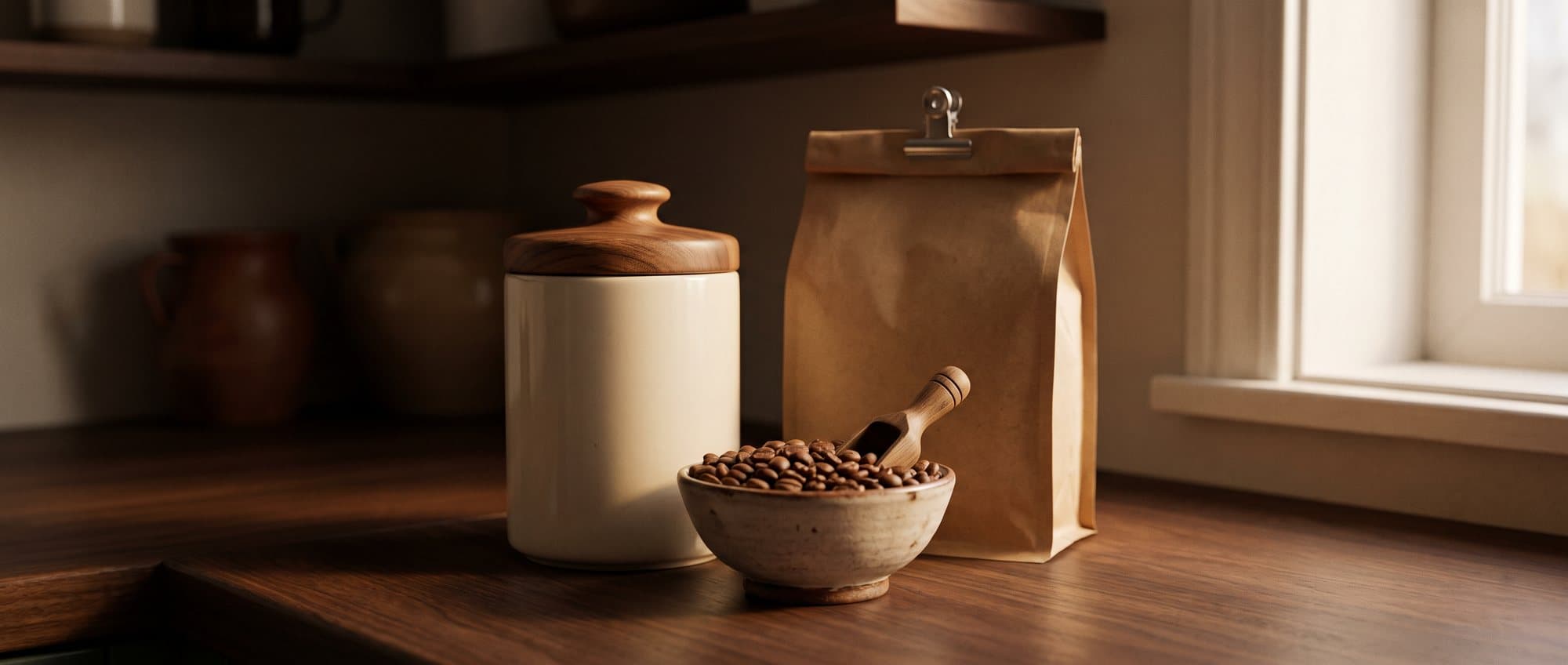
Airtight, dark, cool: how long coffee stays fresh, why the fridge is a bad idea and when freezing helps.
Arabica vs robusta: the two coffee species compared
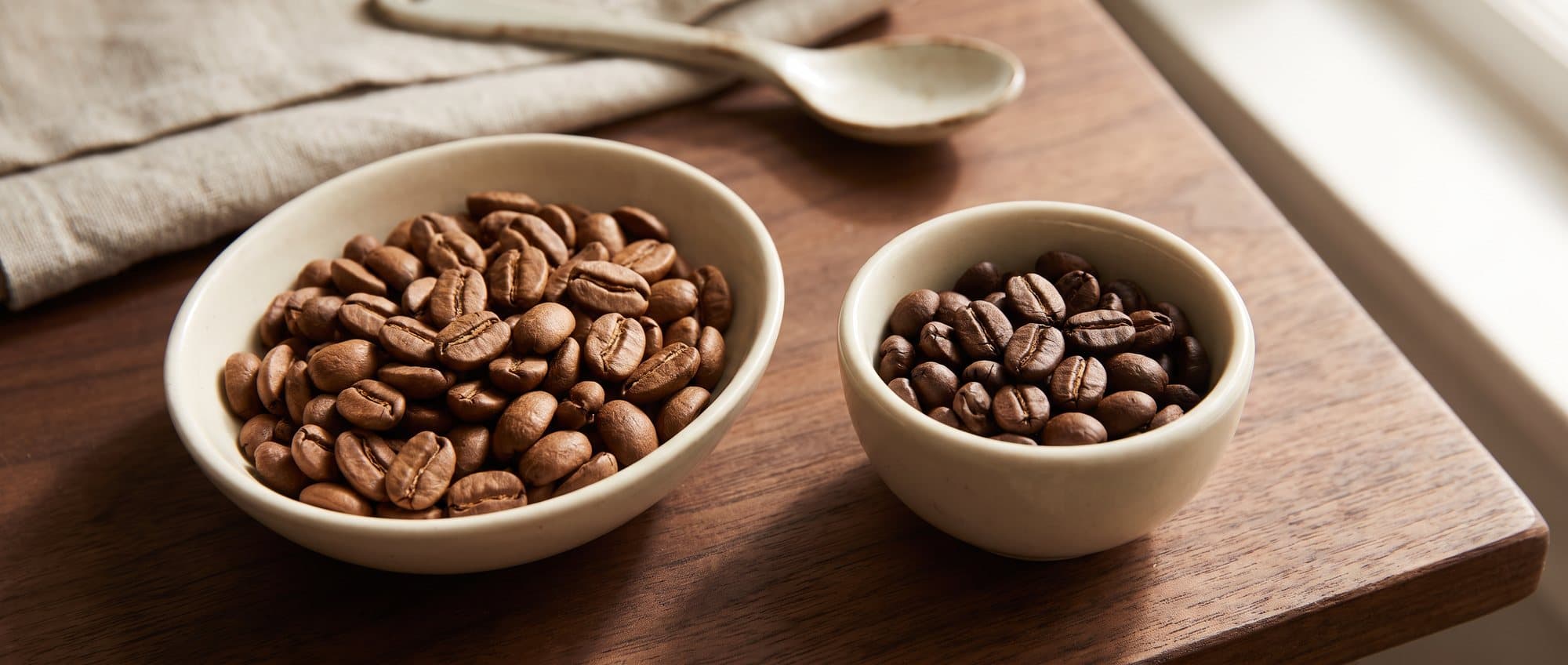
Plant, altitude, caffeine, taste: what sets arabica apart from robusta – with a comparison table.
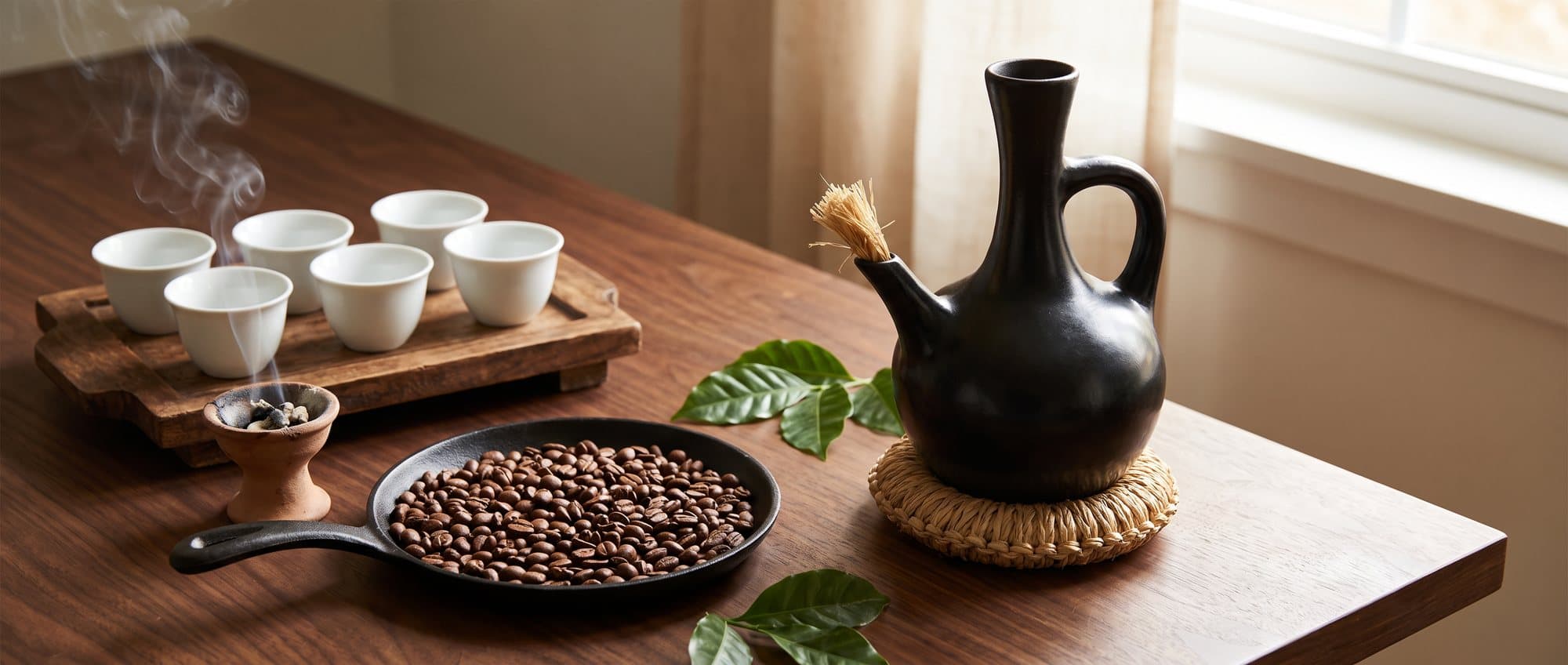
Ethiopian coffee: from the land where it all began
Birthplace of arabica, typical flavours, processing and the coffee ceremony – an overview.